Many people think that by making natural wines you just let the must go wherever it goes. They think that more or less the process is identical to the one our grandparents followed, i.e. spontaneous and unguided. So in conclusion they consider the oenologist to be a mere line supervisor who simply notes the fouls. It is to be expected that they think this way given that general theories in the production of natural wines and food products in general are currently lacking. Production based on technological specifications relies more on constraints and interventions. But it is one thing to guide a process and another to intervene in it. As I have written before, I am not against technology but against its misuse.
Many will still think that the production of natural products lies only in the fact that the side effects on our bodies of many of the interventions used in natural processes are unknown or concealed. Here I am not discussing this broad topic, but how the organoleptic properties of the final product vary depending on what kind of winemaking you have done.

Matera Natura 7, Muscat of Alexandria
But how do you act in a natural vinification in the absence of general theories?
On the one hand we rely on experience, patience and bypassing the prevailing marketing paradigm; these three elements are necessary and equal. On the other hand, being open to continuous learning is inevitable in the field of natural winemaking. Nature is infinite and does not easily obey rules, so you will never be bored with it.
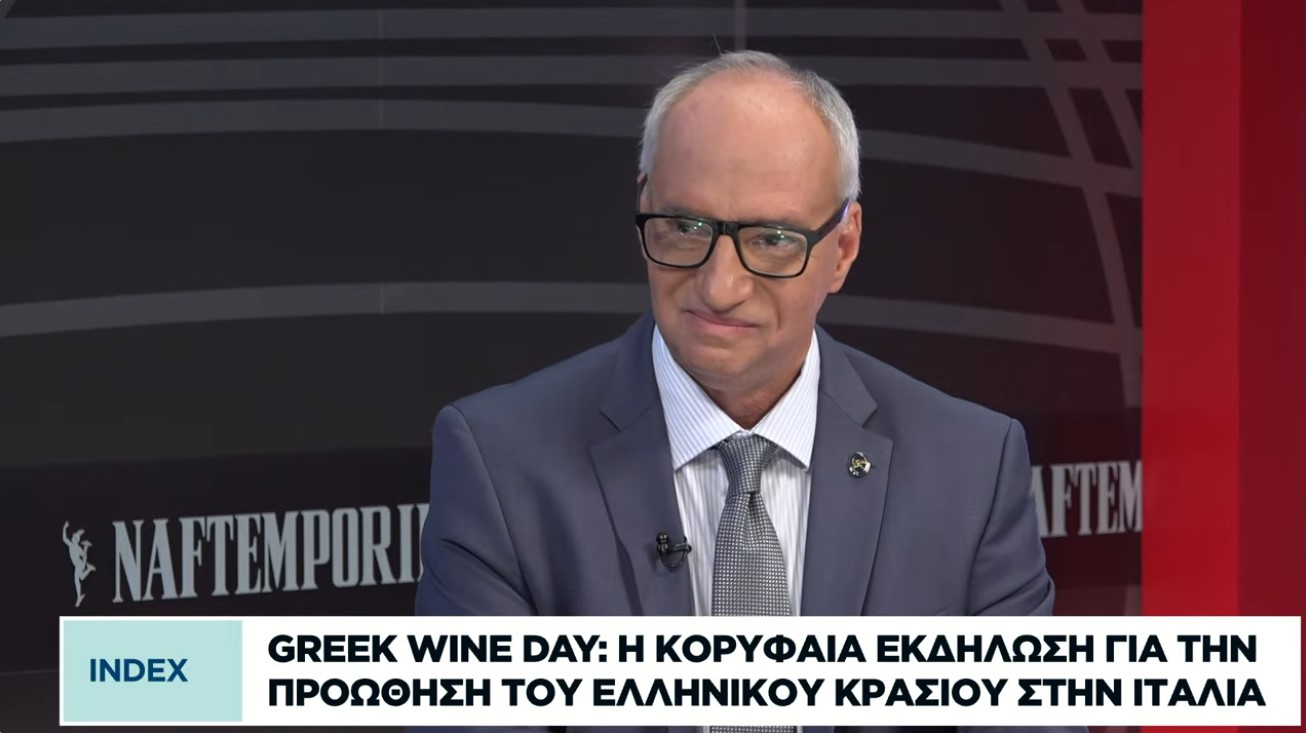
Vassilis Vaimakis, oenologist