A first look at this year’s vintage in the Langhe
Between the initial drought and the assiduous rains from May to July, episodes of hail and sunburn, managing the vineyards was incredibly complex, long and tiring – but very satisfying.
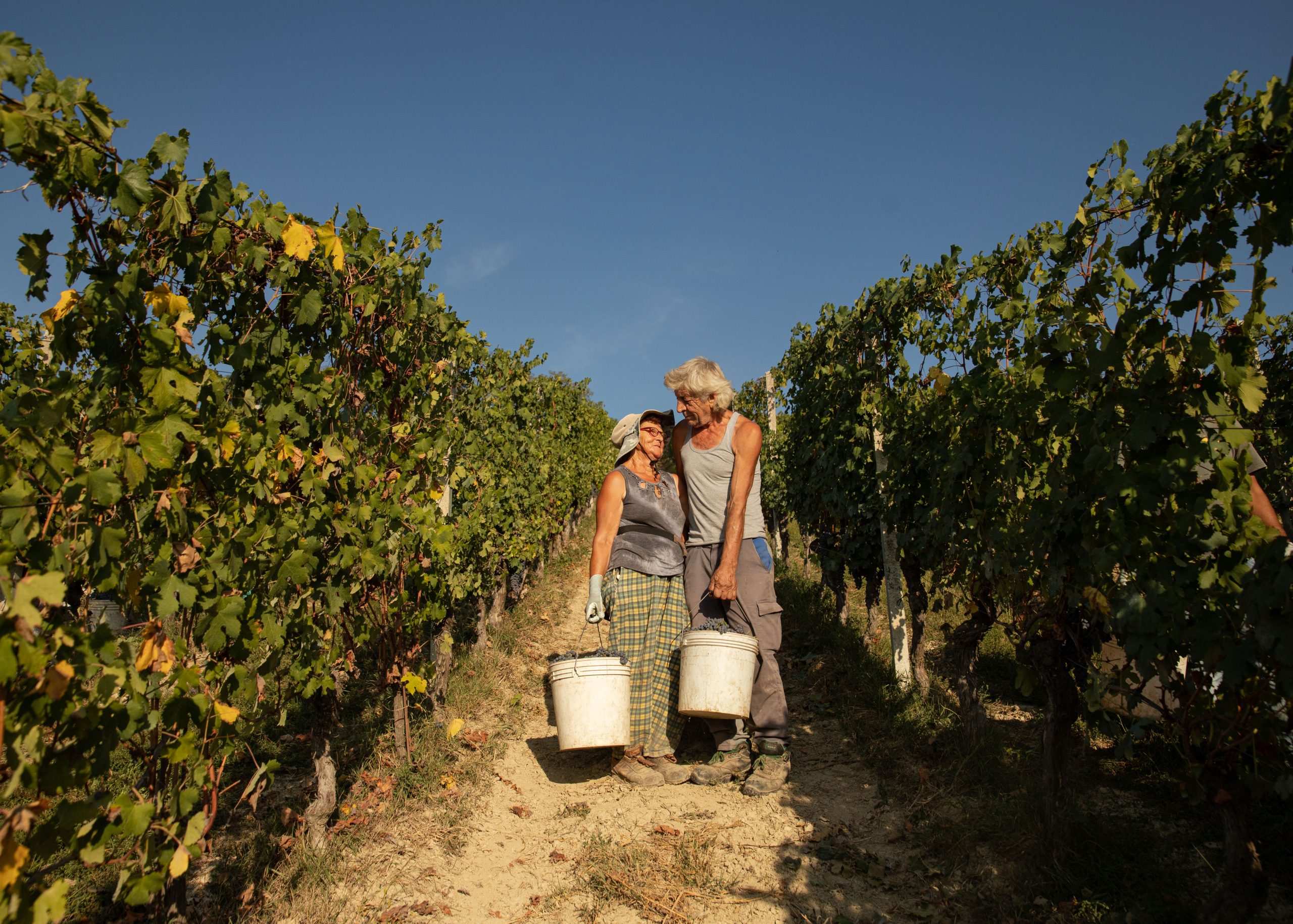
Harvest at Sorì Tildìn
It was a late harvest with medium/abundant yields. The grapes showed high levels of malic acid and moderate sugar levels. In general, fermentation was normal and occurred quickly. The whites have exceptional freshness and aromas, the reds have delicate tannins, an elegant structure and a complexity developed over time because of prolonged macerations which were very important this year due to ripe and thick skins.
Seasonal trend
During the first part of the 2023 vintage we waited with bated breath for fear of reliving the drought of 2022. In fact, apart from some rain in November and a small, quick snowfall in December, October through April continued to be dry and mild.
Vine pruning began on January 8. We took care to leave fewer buds on the vines that suffered the most from the 2022 drought.
In February, given the continuing scarcity of water, we cleared the grass under the vines to eliminate water competition.
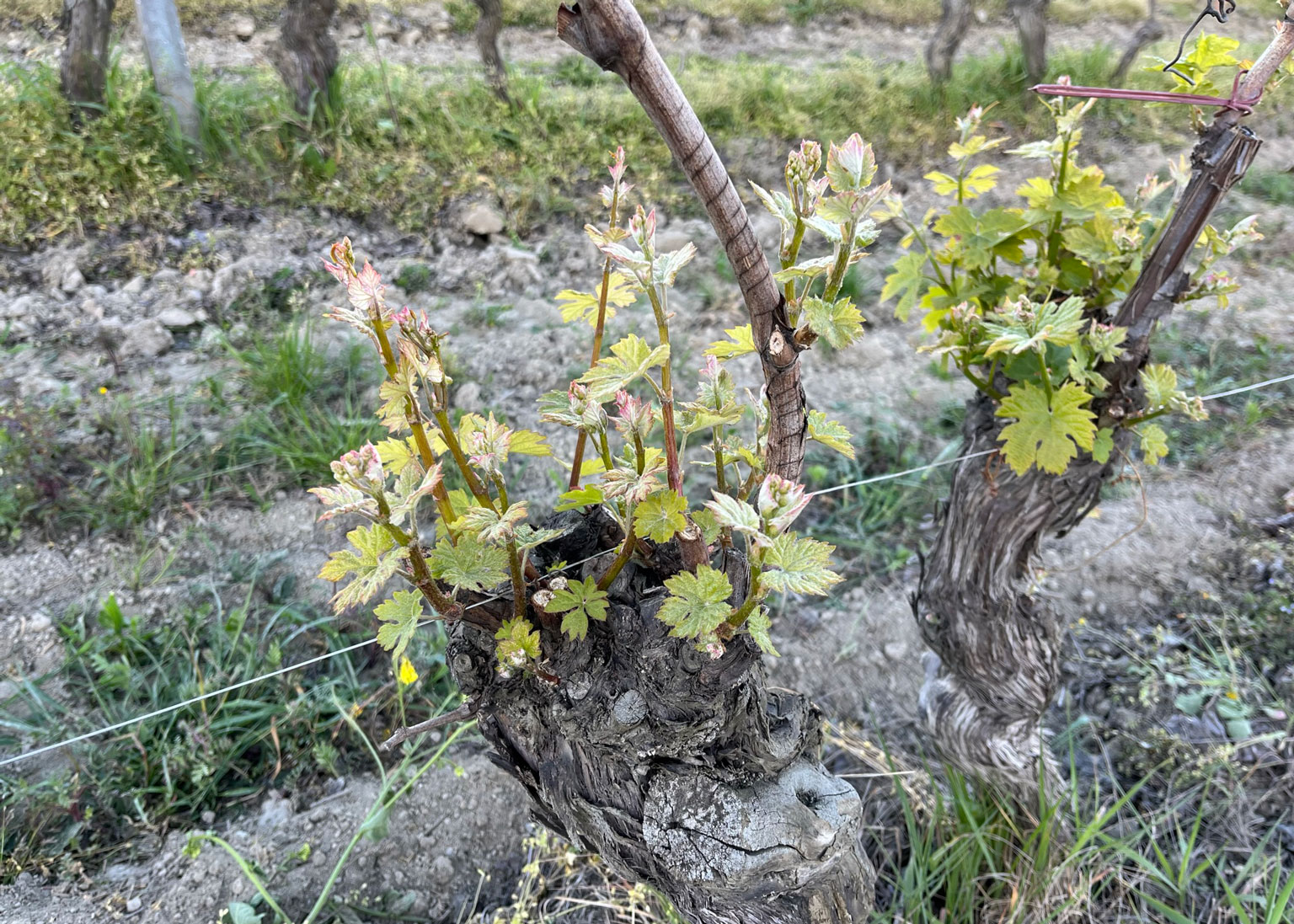
Budding in Sorì San Lorenzo
In March the Tanaro river was dry and the hills barren. Budding occurred early and quickly, with medium/medium high bud fertility.
The drought continued throughout the month of April, yet the positive note was the good diurnal ranges between day and night, useful for tonifying the vegetation, slowing down shoot elongation and, consequently, slowing the plant’s rate of water consumption.
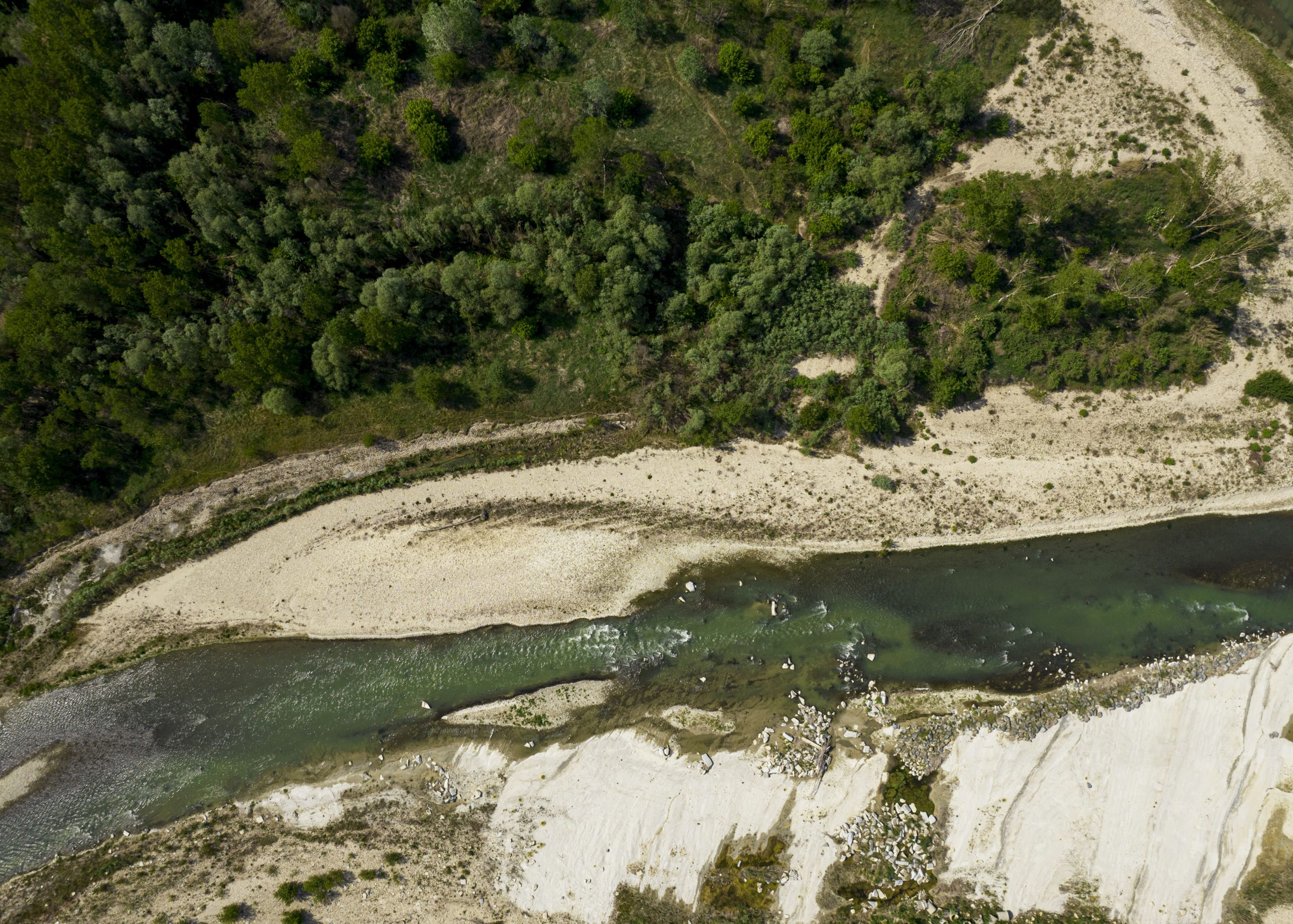
Aerial view of the Tanaro river bed with low water levels
May 1st brought a sudden change in the climate which also changed the character of the vintage. Abundant rainfall and lower than usual temperatures throughout the month of May resulted in a slowdown in flowering, and assisted the development of long, large grape bunches and rapid leaf canopy growth.
High bud fertility, the rains in May and June and the abundance of soil nutrients from last year unabsorbed by the vines due to the drought, led to greater plant productivity and, as a result, extended the period for full maturation.
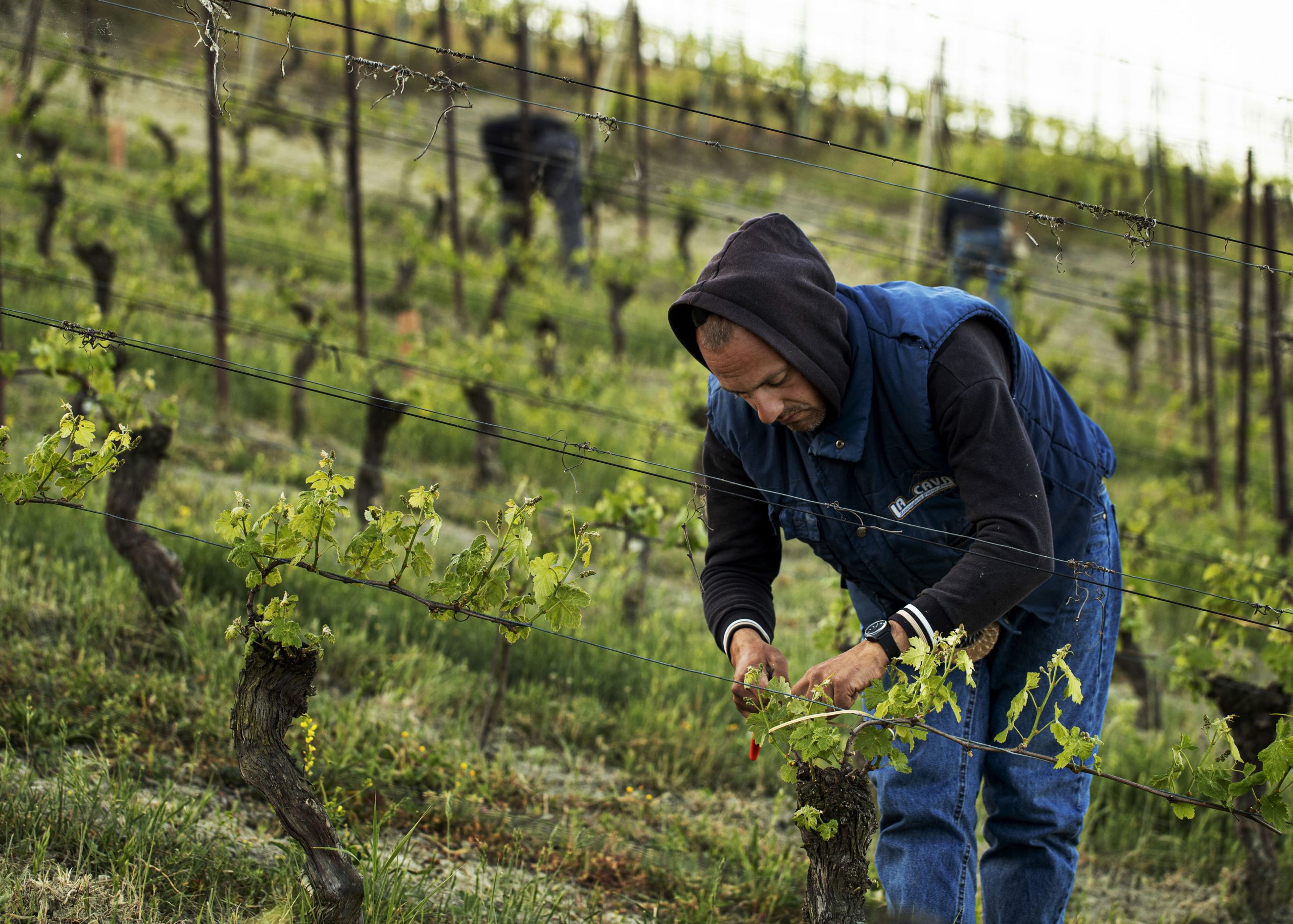
Nebbiolo bud selection
Despite the rains in May and June, all in all, it was easier than it was in Tuscany to fend off the threat of downy mildew; we had no serious damage.
July was hot and dry. On the 7th there was a violent hailstorm that ravaged the new vineyards in Alta Langa, and a portion of the vineyards in Treiso, (the Gaia&Rey vineyard) and a part of the Nebbioli vineyard in Pajorè, but fortunately the damage was limited. August weather caused a further slowdown in the final ripening of the grapes due to a notable drop in temperature in the first week: 13°C at night and 20-22°C during the day, and then between the 17th and 25th a phase of extreme heat, with peaks of 40.5 °C accompanied by foehn winds which accentuated the overheating of the grape bunches and leaves.
Then a storm dropped 100 mm of rain and brought the situation under control, lowering temperatures, giving relief to the vines, and further delaying the grape ripening process.
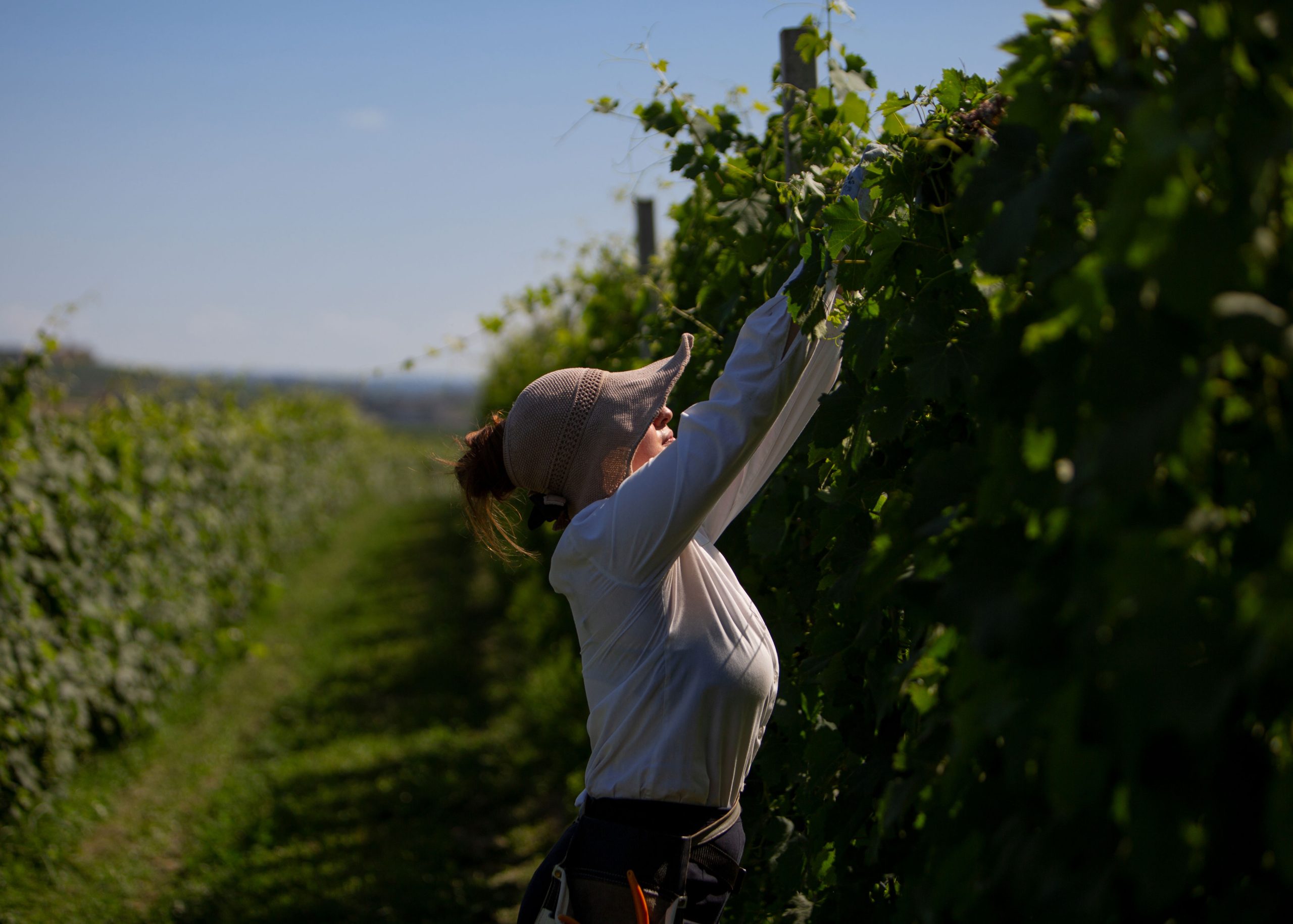
Vine twisting in the Barbaresco vineyards
The extreme heat led to the burning of some grape bunches exposed to the sun, and therefore required a lot of pre-harvest cleaning and selection, resulting in the downsizing of the final production. There was a noticeable difference in sunburn damage between vineyards planted in “rittochino” (vertical row planting) where the grapes received more shade from top row leaves, and in “girapoggio” (horizontal row planting), where instead west facing grape bunches received more sun exposure.
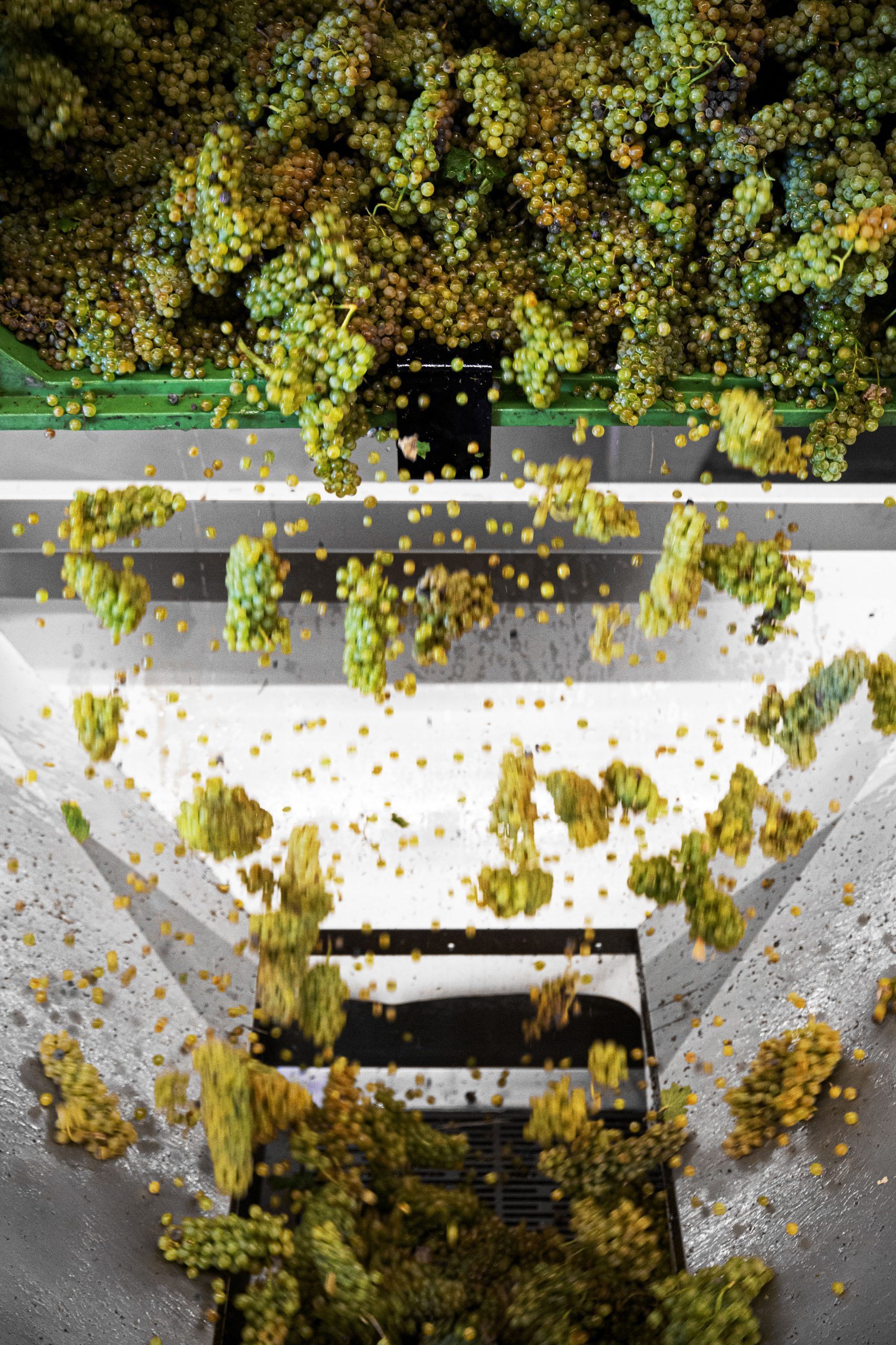
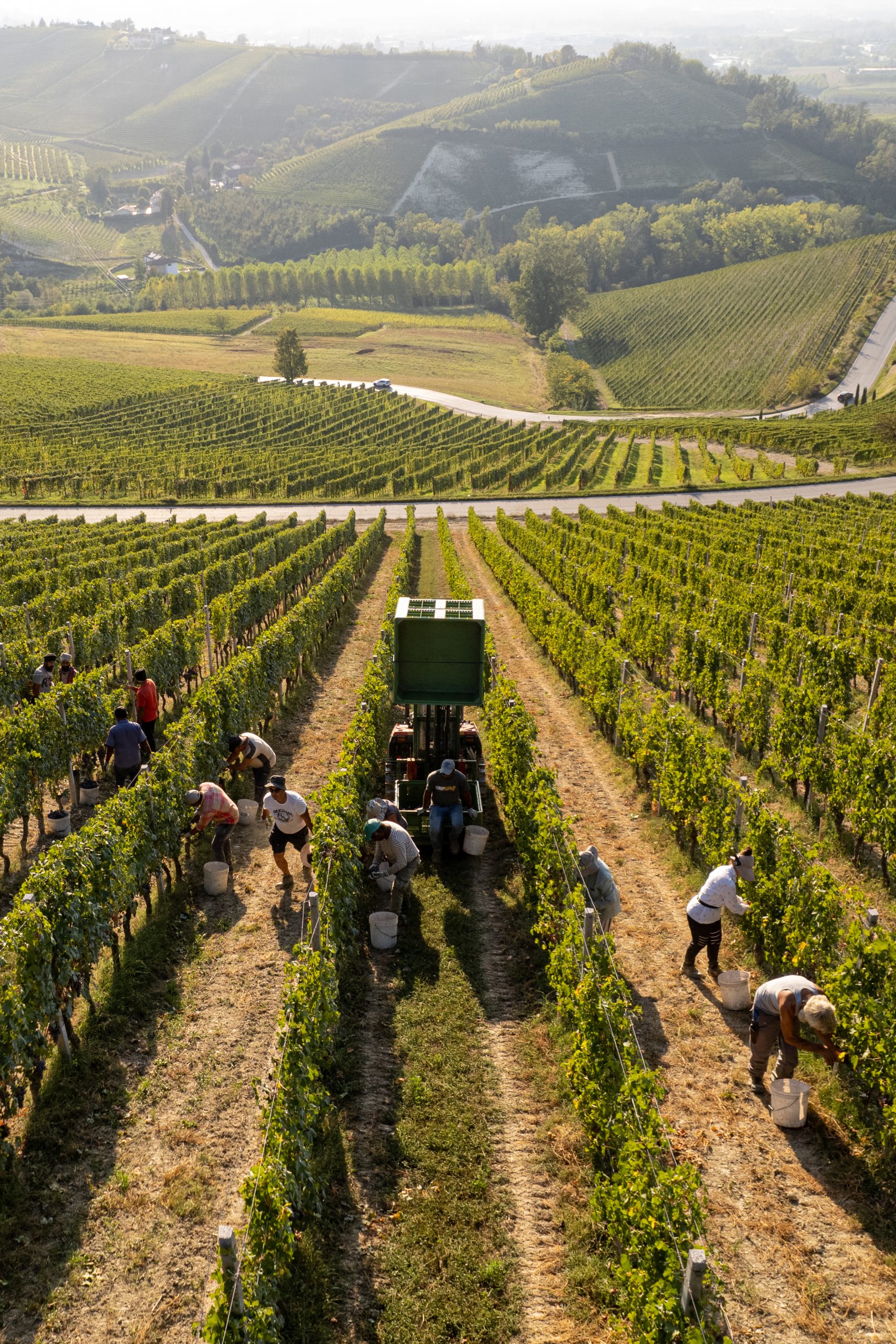
Left: Chardonnay arrives at the winery
Right: Harvest at Sorì Tildìn
The lengthy summer continued with high temperatures during the months of September and October. In September it hit 32°C, fortunately with an incredible diurnal range of 13-15°C at night, and consistent daily temperatures of 24-30°C throughout October. Despite the grape bunches being larger than usual, the heat caused greater concentration which balanced the proportion between the skins and the pulp. Harvest of the white grapes began on August 21st. Nebbiolo was long in coming: the harvest began on October 4th (one month later than the 2022 vintage) and proceeded without rush with sunny and warm days, ending on October 20th.
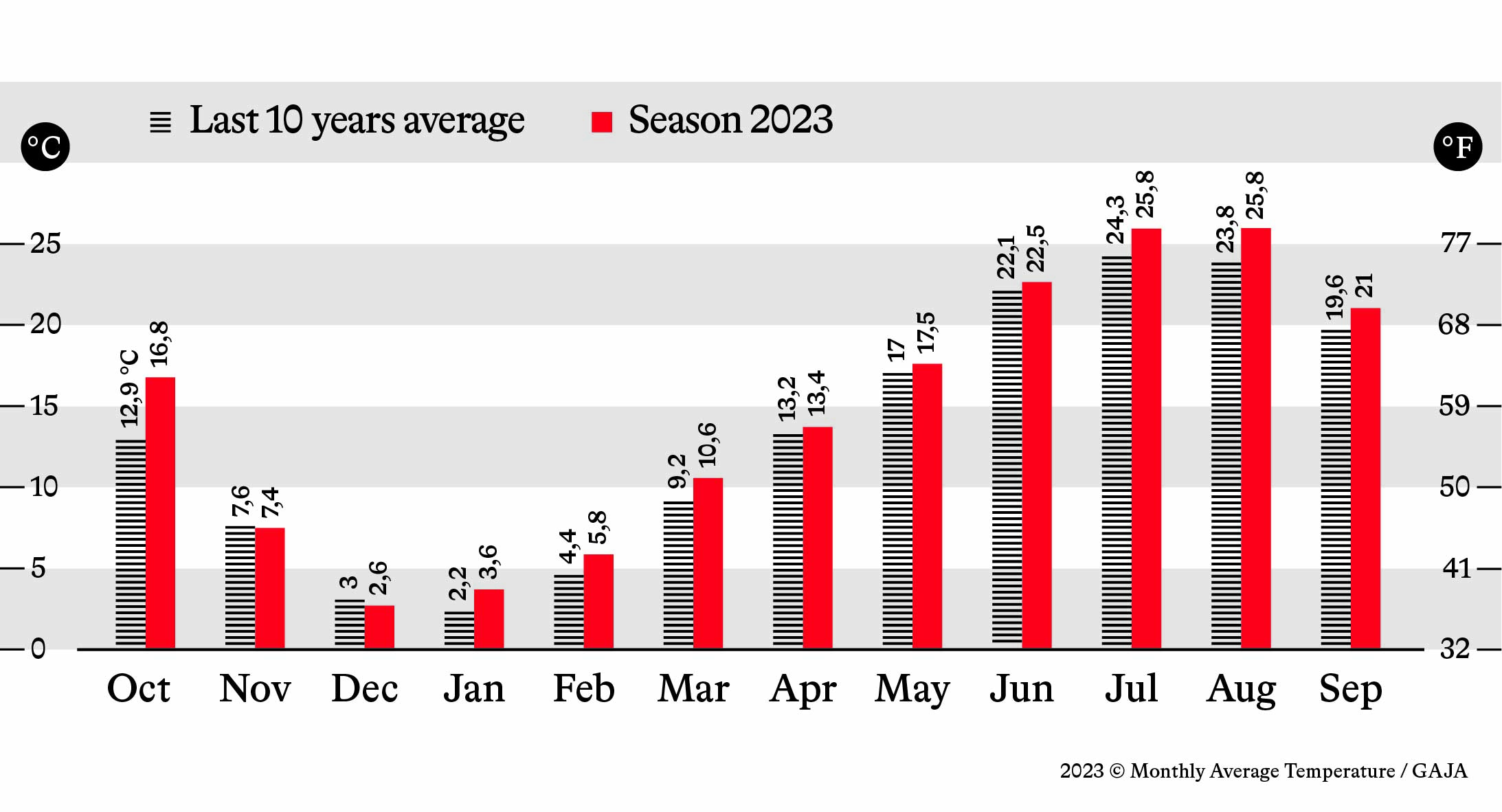
Graph. Monthly average temperature
With the exception of November and December, the 2023 vintage was characterized by consistently warmer temperatures. The torrid summer marked this vintage, posing challenges to our work in the vineyards.
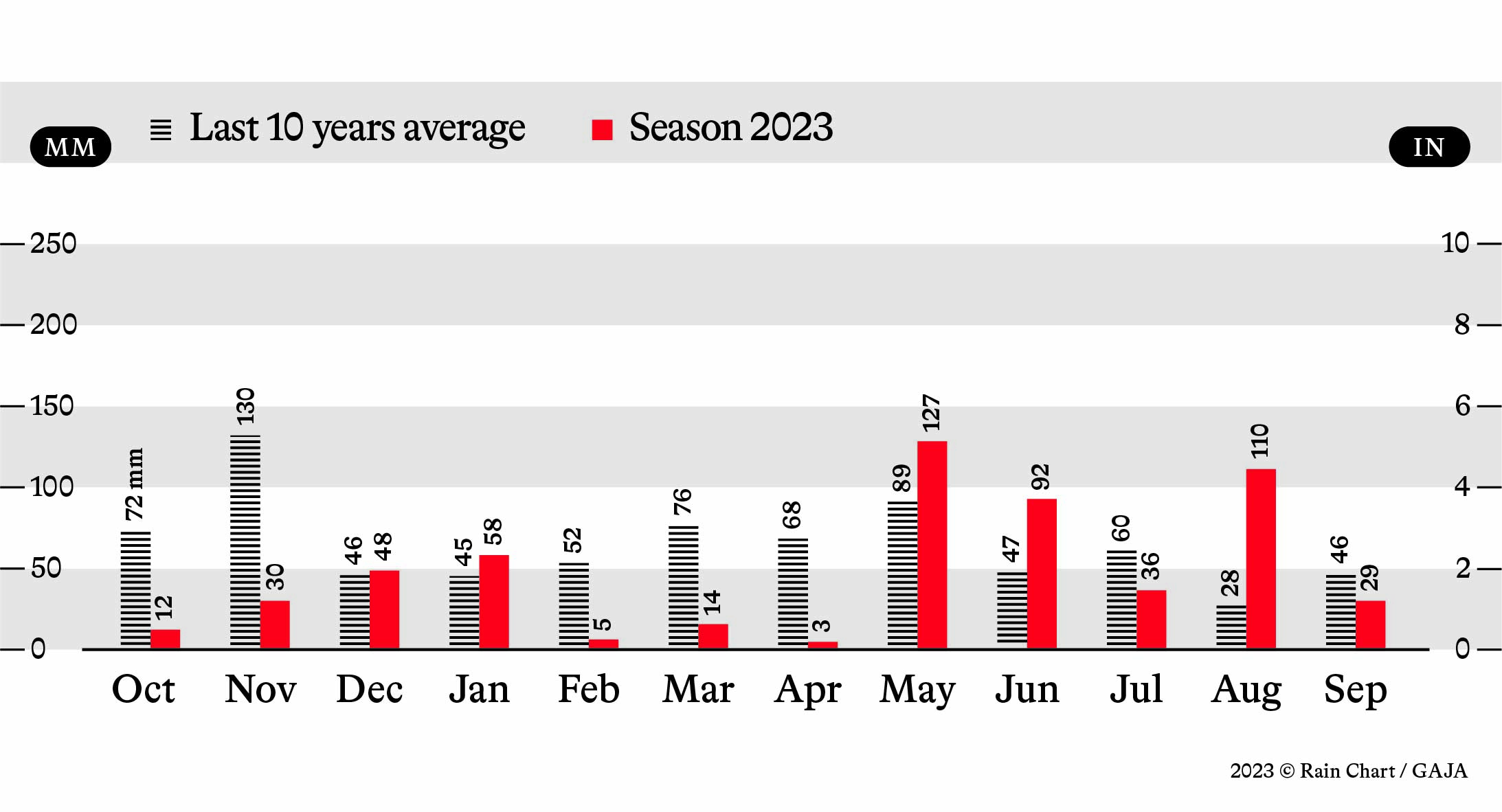
Graph. Rain chart
After a dry winter, rainfall was concentrated in May and June.
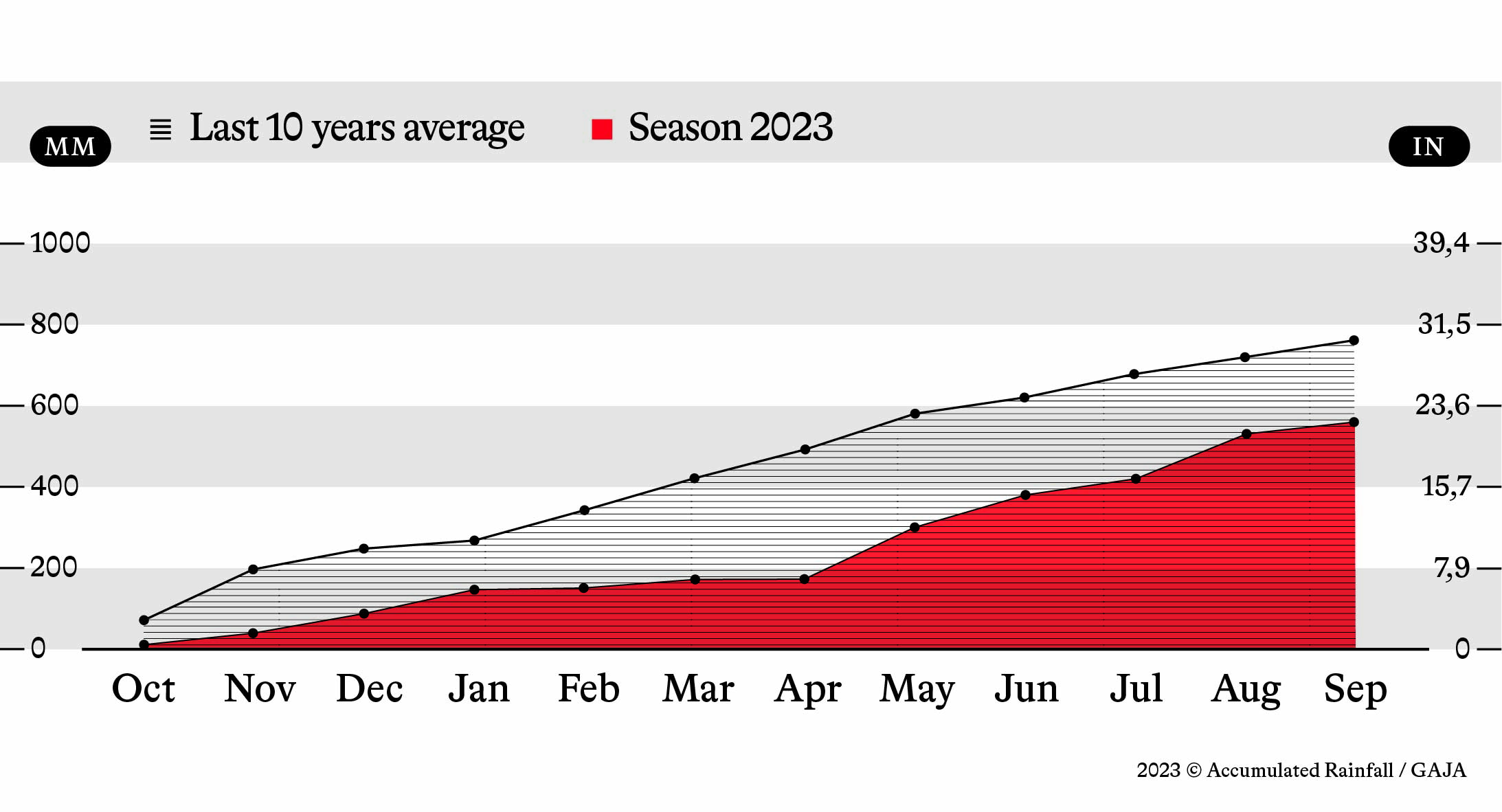
Graph. Accumulated rainfall
Overall, another year with below average rainfall. But rapid accumulation of rain from the summer onwards changed the destiny of 2023.
Official Source: Gaja winery 2023