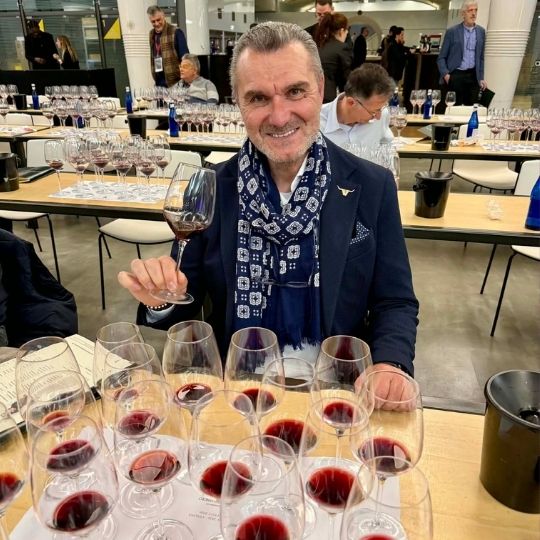
The international wine judge Daniele Raspini from Tuscany, attended this unique masterclass of Historical Supertuscans Comittee and shares his impressions with us.
Yesterday at Vinitaly 2026, I had the privilege of living a rare experience—one of those that only happen a few times in the life of a wine lover: the opportunity to taste and, above all, compare 16 great wines from the outstanding 2021 vintage, key protagonists in the history of the Super Tuscan.
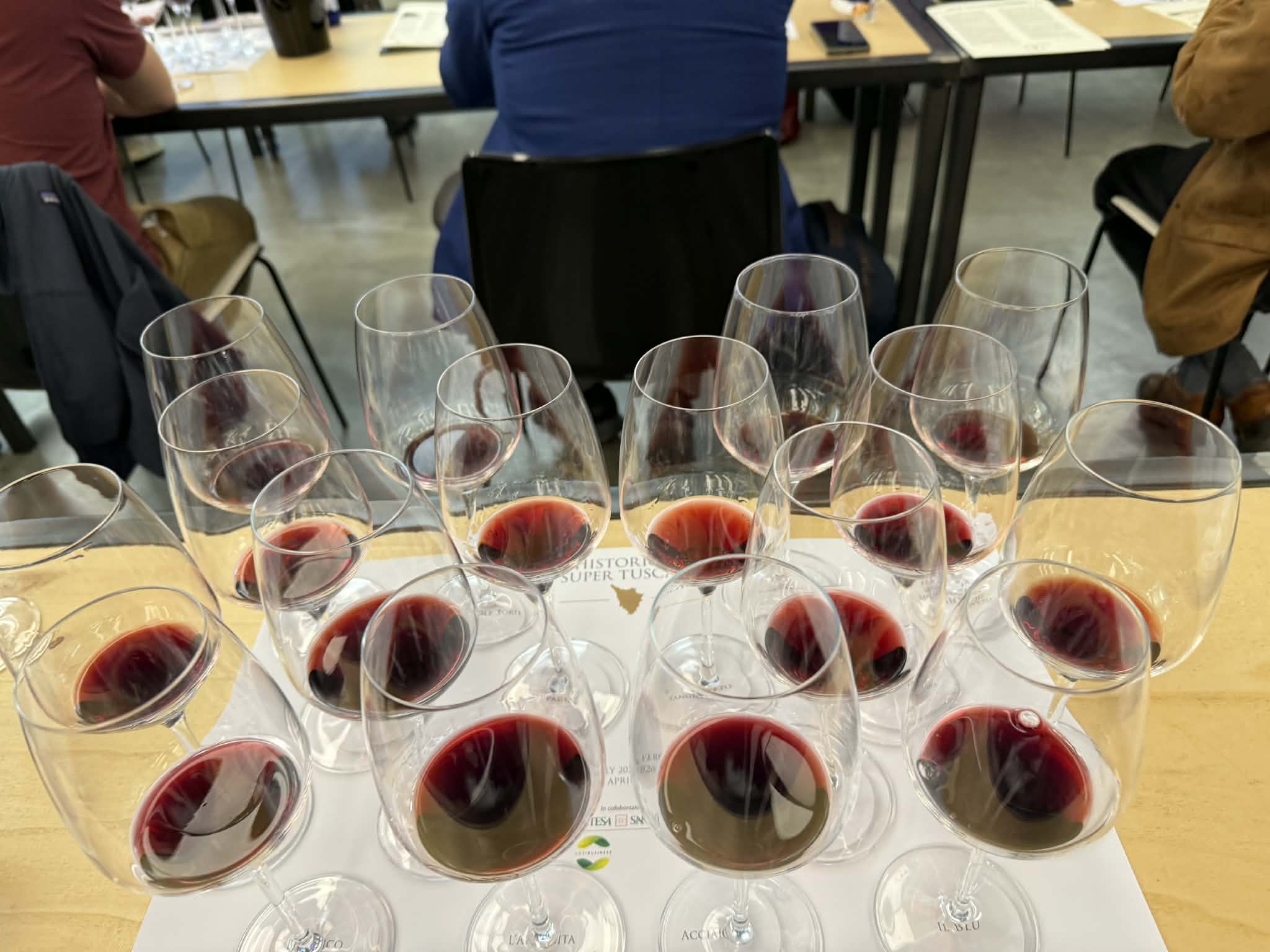
It was an emotional journey into the heart of Chianti Classico, guided with remarkable expertise and sensitivity by Michelle Cherutti-Kowal, who transformed the tasting into a true dialogue between vintages, territories, and visions.
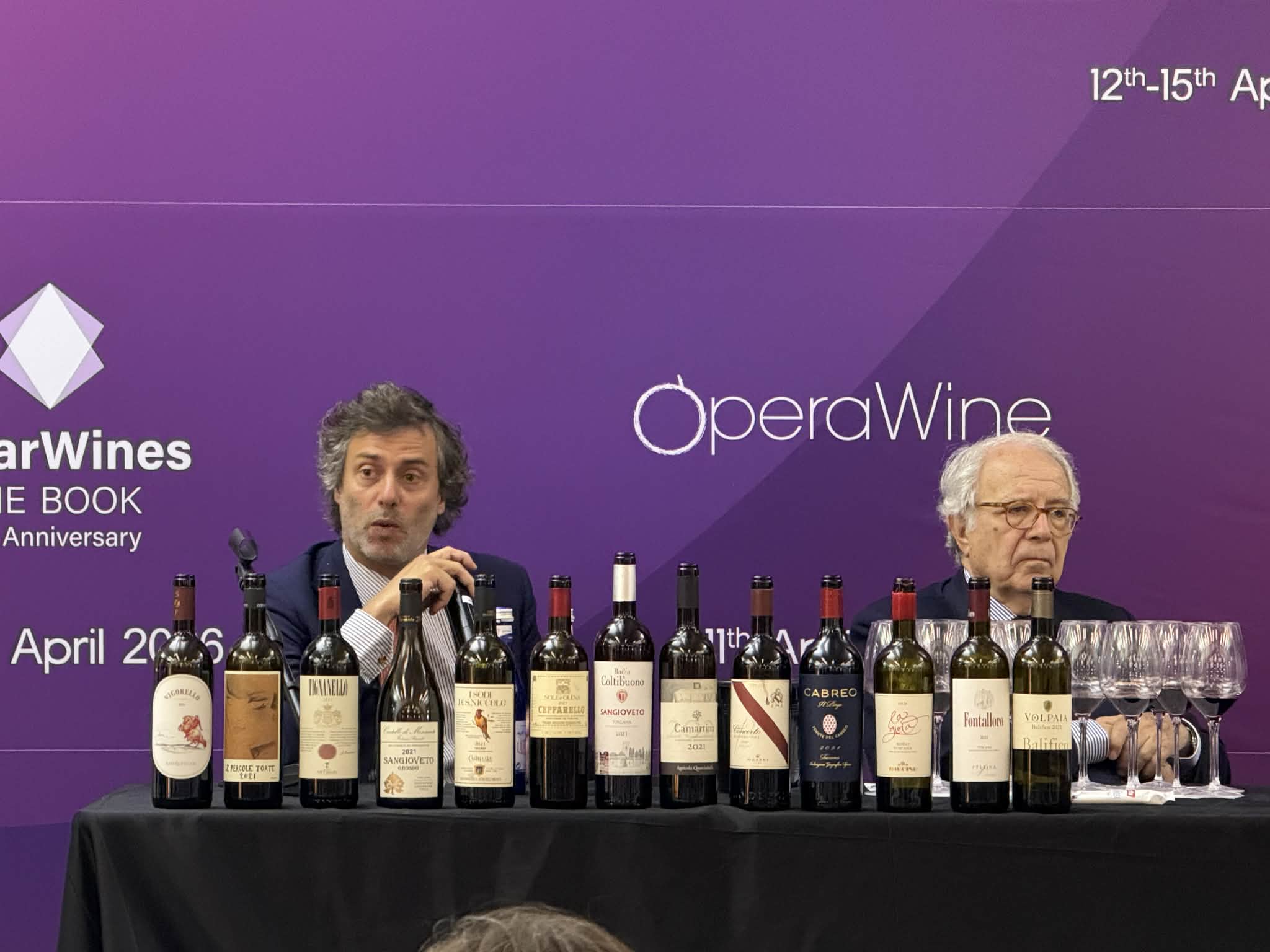
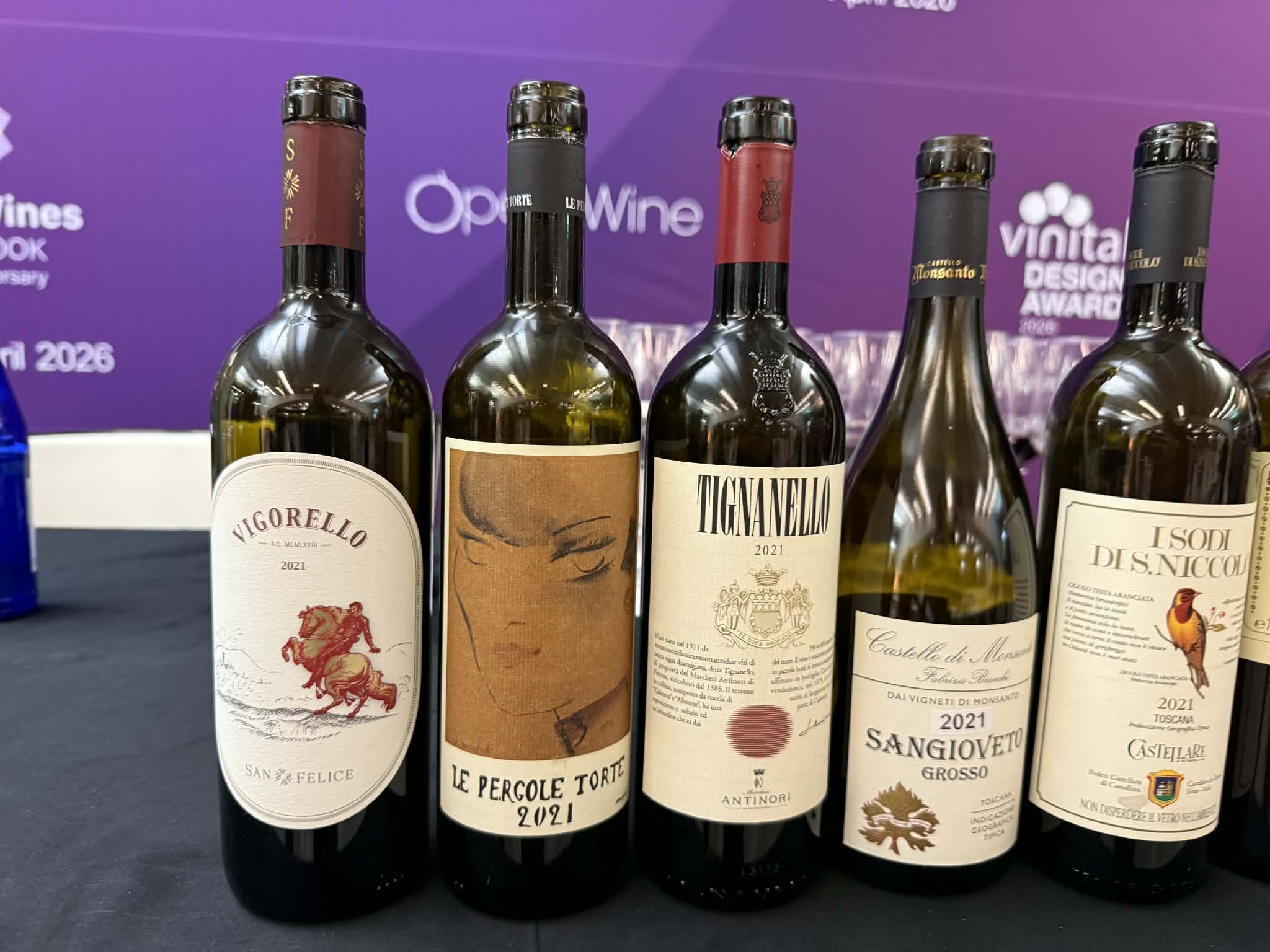
From the very first glass, the greatness of the experience was evident. We began with Vigorello from San Felice—a wine that tells a story of innovation and identity. The introduction of Pugnitello enhances its territorial character, while Petit Verdot brings softness and harmony. A truly high-level opening.
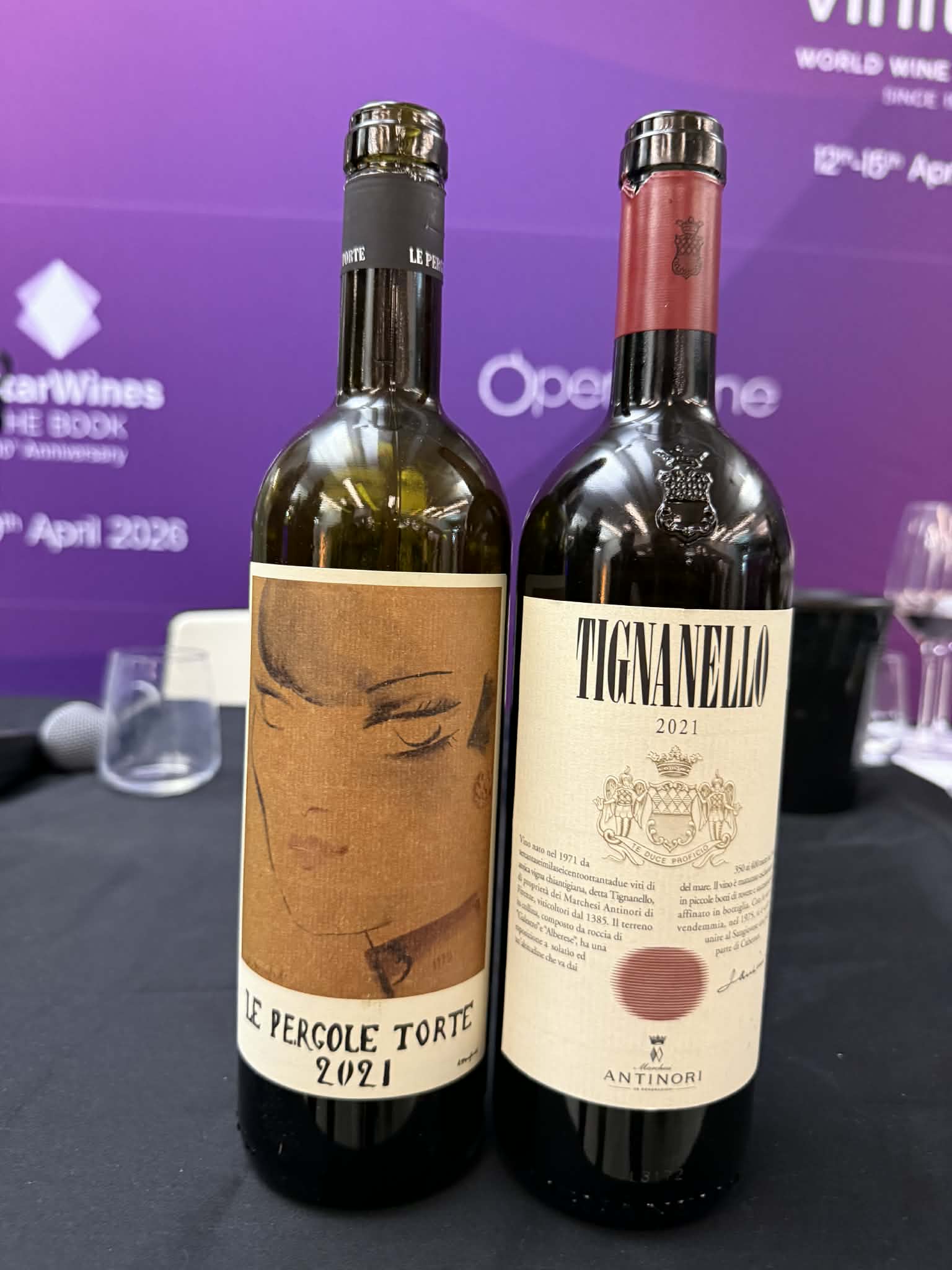
With Le Pergole Torte from Montevertine, we entered the poetry of Sangiovese. Produced in Radda in Chianti, this wine takes its name from the vineyard—just as in Burgundy—and draws from it a unique personality. The 2021 vintage stands out for its balance between vibrant acidity and a velvety, never aggressive softness.
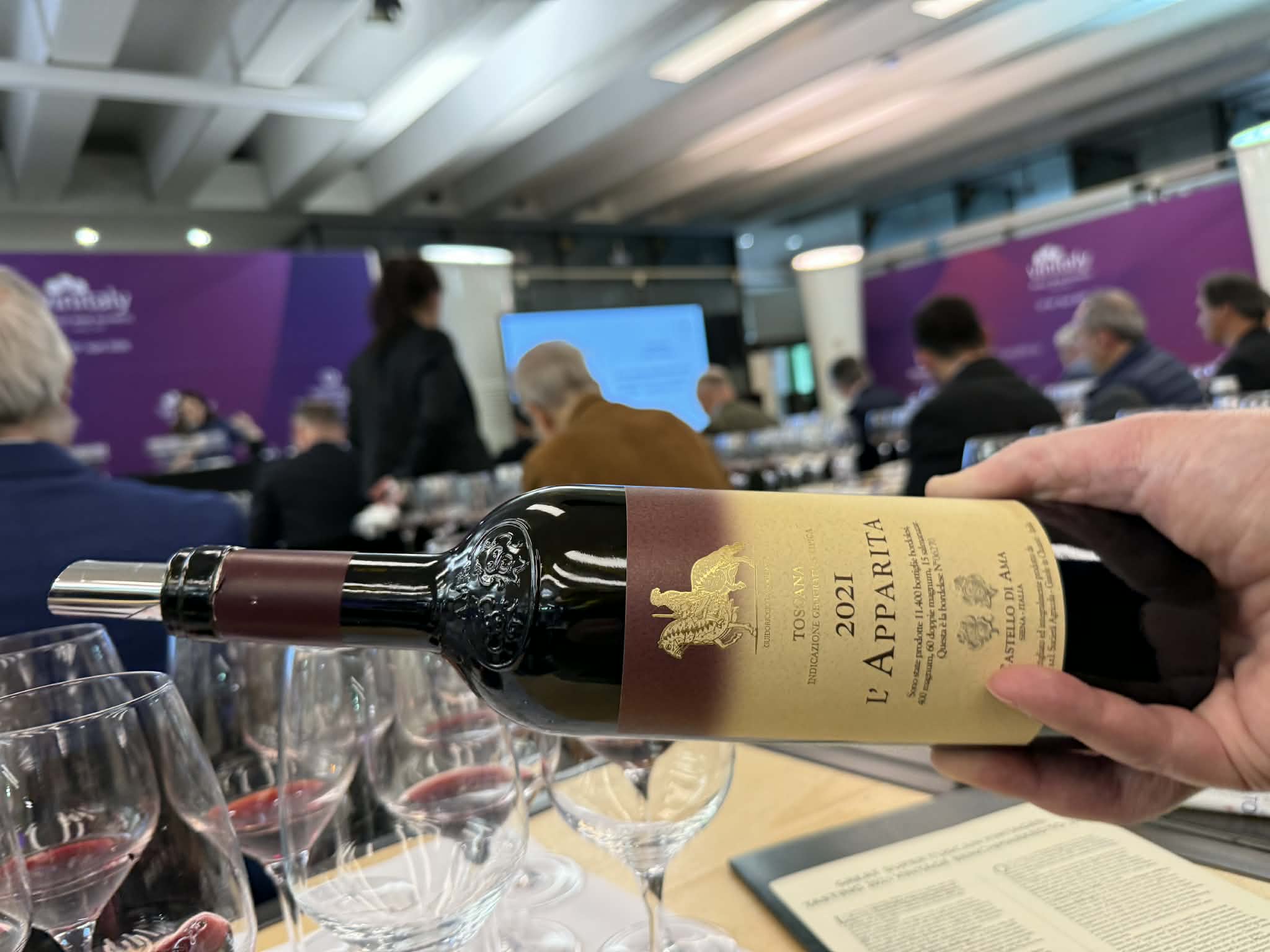
A true standing ovation followed, shared with the magnificent L’Apparita from Castello di Ama, a pure Merlot of extraordinary elegance and depth.
Tignanello from Marchesi Antinori once again proves to be an absolute benchmark: structure, complexity, and a use of Cabernet that enhances Sangiovese without overpowering it.
The journey continued with Sangioveto from Castello di Monsanto, a wine of great structure and persistence, though slightly less exciting than others in the lineup. Immediately after, I Sodi di San Niccolò from Castellare di Castellina stood out as a true expression of terroir: deep, authentic, and outstanding.
Cepparello from Isole e Olena impressed with elegance and finesse, while the Sangioveto from Badia a Coltibuono appeared youthful, fresh, and with great potential for evolution.
With Camartina from Querciabella, the style shifted: Cabernet Sauvignon dominates the blend, yet Sangiovese remains clearly perceptible, contributing to overall balance. Concerto di Fonterutoli from Fonterutoli felt slightly overshadowed in comparison, though still very enjoyable.
On the other hand, Cabreo from Tenute Folonari captivated with its aromatic persistence, featuring elegant balsamic and spicy notes. “La Gioia” from Riecine was, as its name suggests, a true explosion of complexity and aromatic richness.
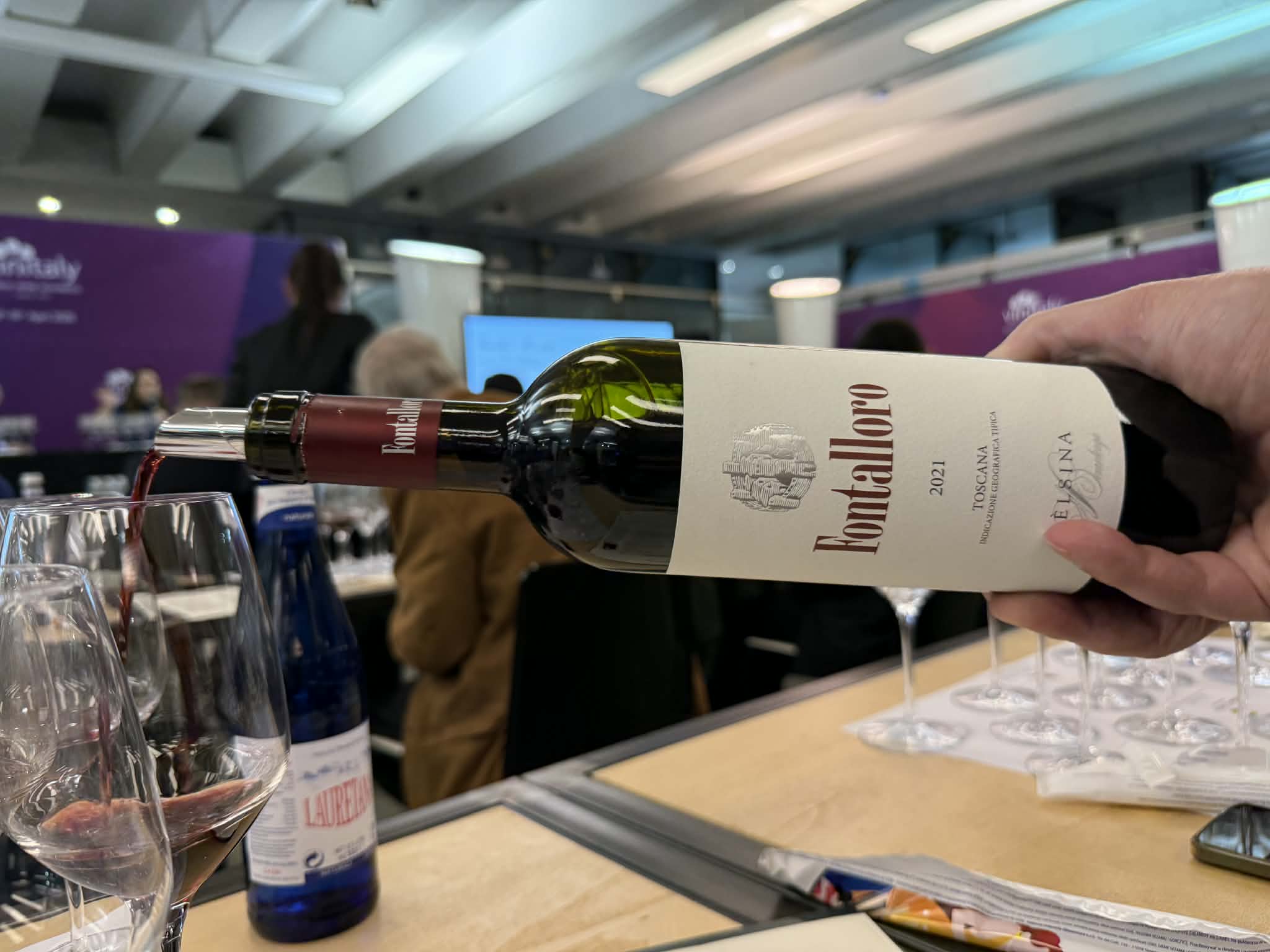
The journey continued with Fontalloro from Fèlsina, a remarkable wine expressing freshness and sapidity, though still showing its youthful character. Balifico from Castello di Volpaia impressed with elegance and smoothness, with well-defined red fruit notes.
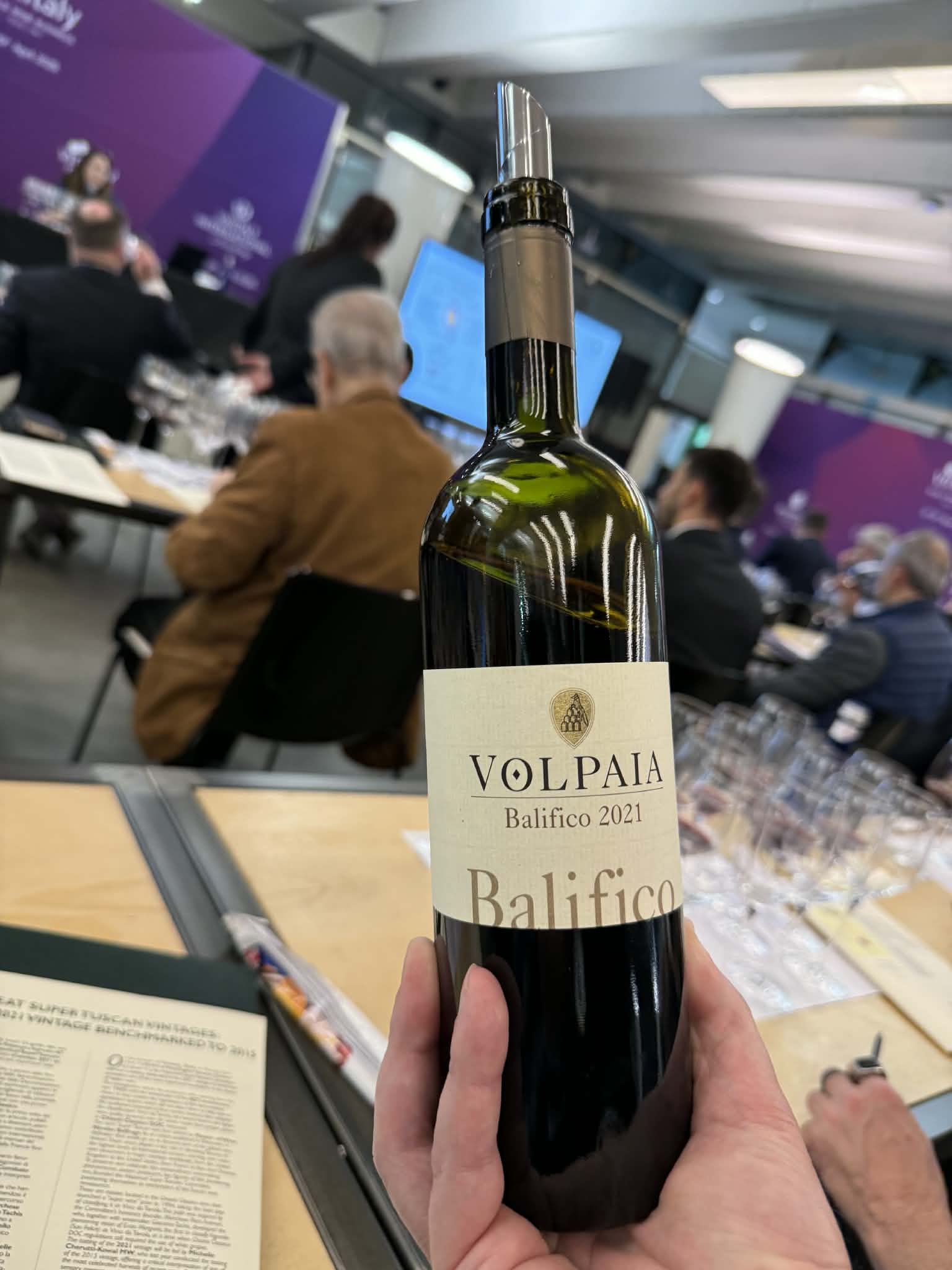
Then came one of the absolute highlights of the tasting: L’Apparita, a pure Merlot of extraordinary power and elegance—a wine that truly leaves its mark. Acciaiolo from Castello di Albola appeared elegant and seductive, with a more pronounced acidity that nonetheless remains consistent with its style.
This incredible experience concluded with “Il Blu” from Brancaia, a harmonious blend where Merlot leads, supported by Sangiovese and Cabernet Sauvignon in perfect balance.
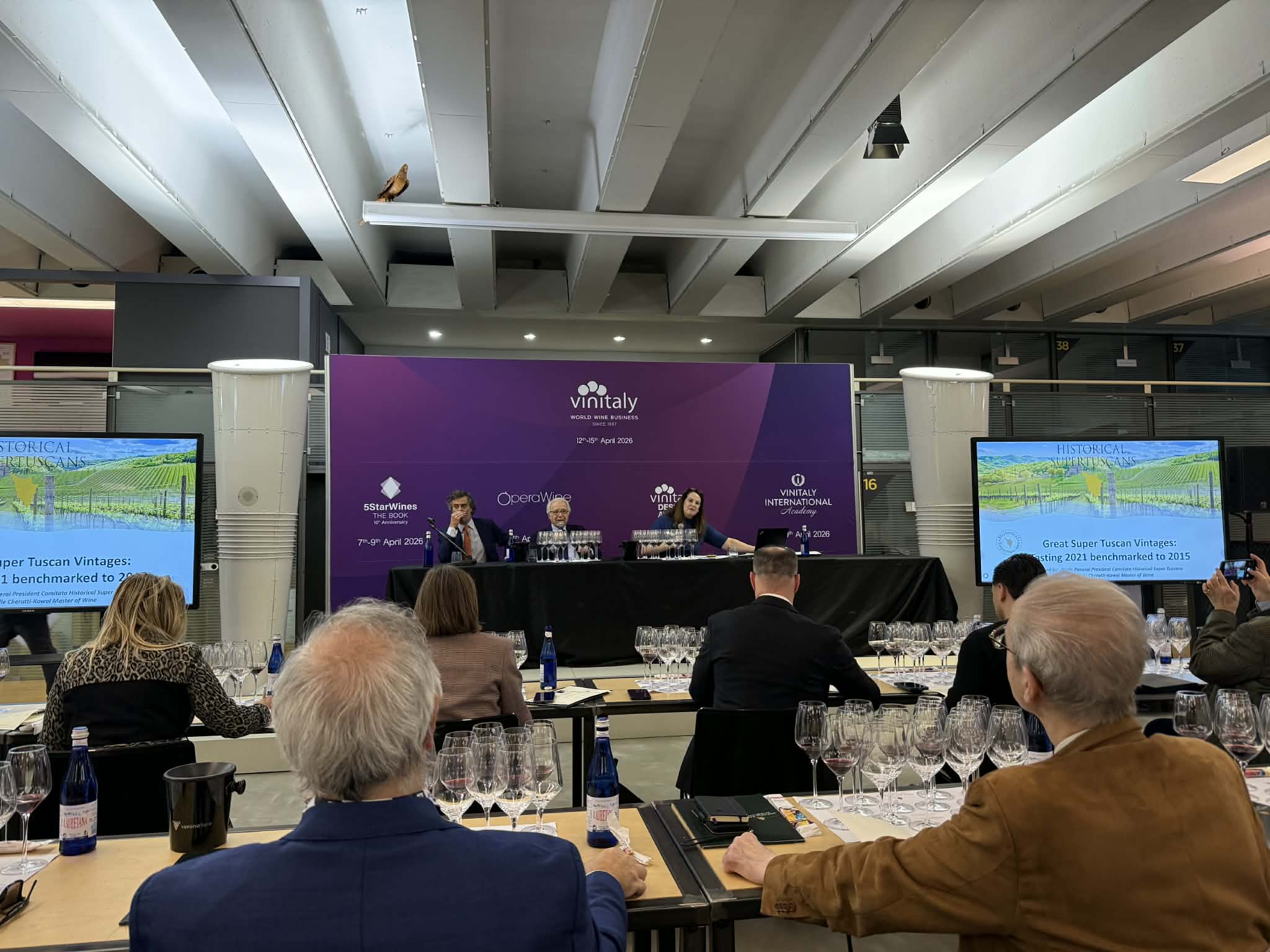
The conclusion is inevitable: it is rare to have in the glass such an extraordinary sequence of wines. More than a tasting, it was a journey through history, identity, and the excellence of Tuscan wine.
Super Tuscans are not just wines—they are the symbol of a revolution that forever changed Italian winemaking, bringing it to the top of the global stage.
Article by Daniele Raspini
Photo Credit Daniele Raspini