The grape harvest, in addition to being the harvest season, is for Mendoza a popular expression of the feeling of love, commitment to work and collective wealth that, little by little, has been translated into what we know today as the National Grape Harvest Festival, a great festival that year after year amazes and attracts people from all over the province. the country and the world.
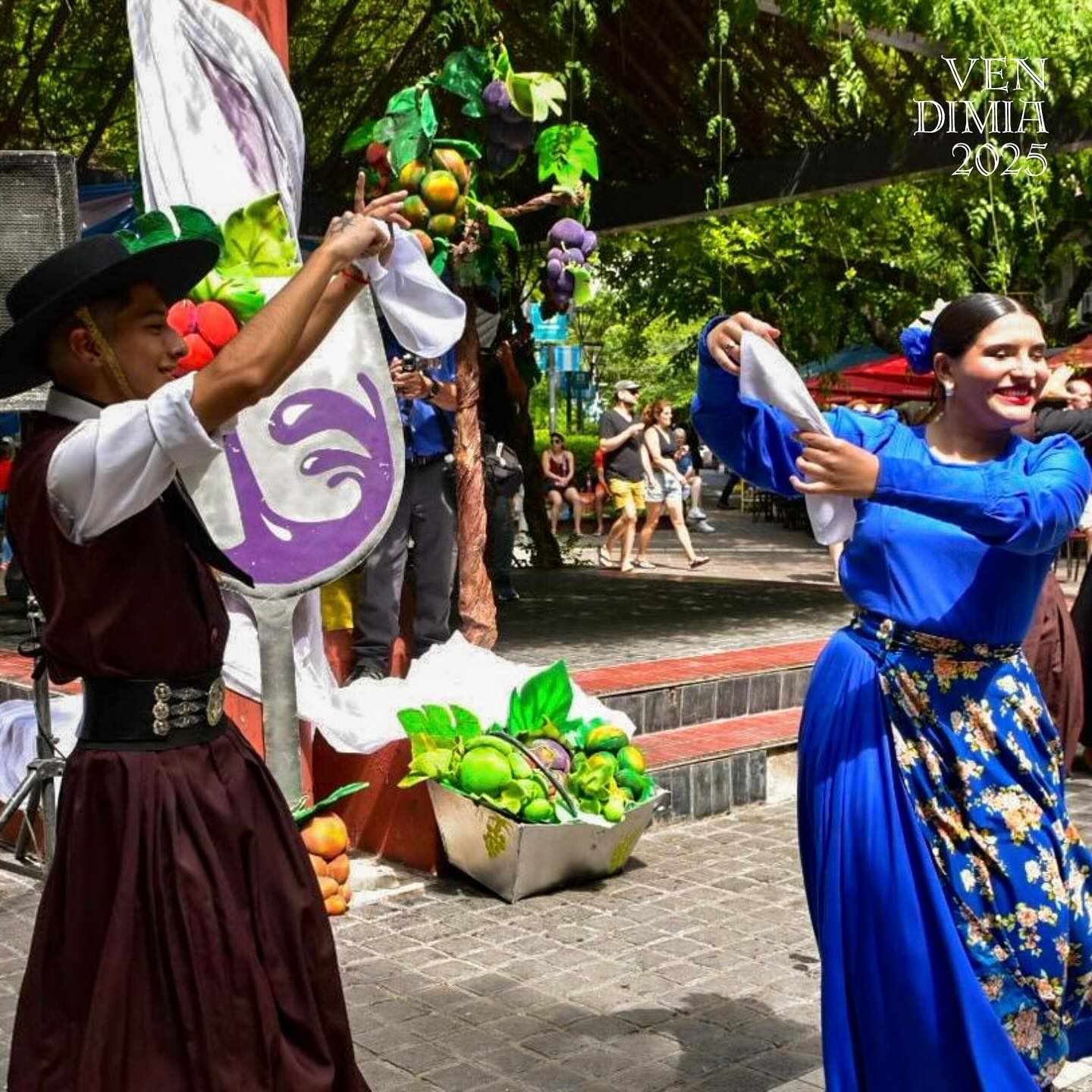
It is a traditional and popular festival where the work of cultivating and harvesting vines, respect and care for nature, the sacrifice of those who harvest in the face of inclement weather and the process with which wine is produced are represented, among other things.
The Grape Harvest Festival has been celebrated since 1936, it has its origin and first antecedents in the time of the great immigrations when, at the end of the harvest and winemaking work, they celebrated and thanked the goodness of nature through dances, songs and the election of a queen who ended up being crowned with bunches of grapes.
According to the Royal Spanish Academy, vendimia (From the Latin vindemĭa) is defined as:
- Harvesting and harvesting of grapes.
- Time in which it is done.
- Profit or abundant fruit that is obtained from something.
As you will see, for Mendoza the grape harvest is much more than a noun, it is a series of celebrations and festivals that take place in different departments and districts and that begin at the beginning of the year and culminate with the great National Grape Harvest Festival, an event full of dance, music, theater, display of lights, scenery and costumes.
In 1936, Mendoza created a festival that became the flagship tourist-cultural product of the province, the main wine producer in Argentina with 70% of the vineyards and wineries in the country. During the first half of the seventeenth century, the vine began to be cultivated in Cuyo, to produce wine for the mass. Next to each chapel, the conquistadors arranged a vine and an orchard. Already at that time, at the end of the harvest and winemaking, they were celebrated with dancing, singing and meals and the most beautiful of women was chosen, who was crowned with vine leaves and bunches of grapes.
The first Grape Harvest Festival was held on April 11, 1913, when the Congress of Industry and Commerce was held, which ended with a parade of grape pickers and allegorical floats. But it was not until April 18, 1936 that the Grape Harvest Festival was instituted. Over time, the celebration grew in production, spectators and importance, until it became a festival of international projection that takes place in a unique setting, such as the Frank Romero Day Greek Theater.
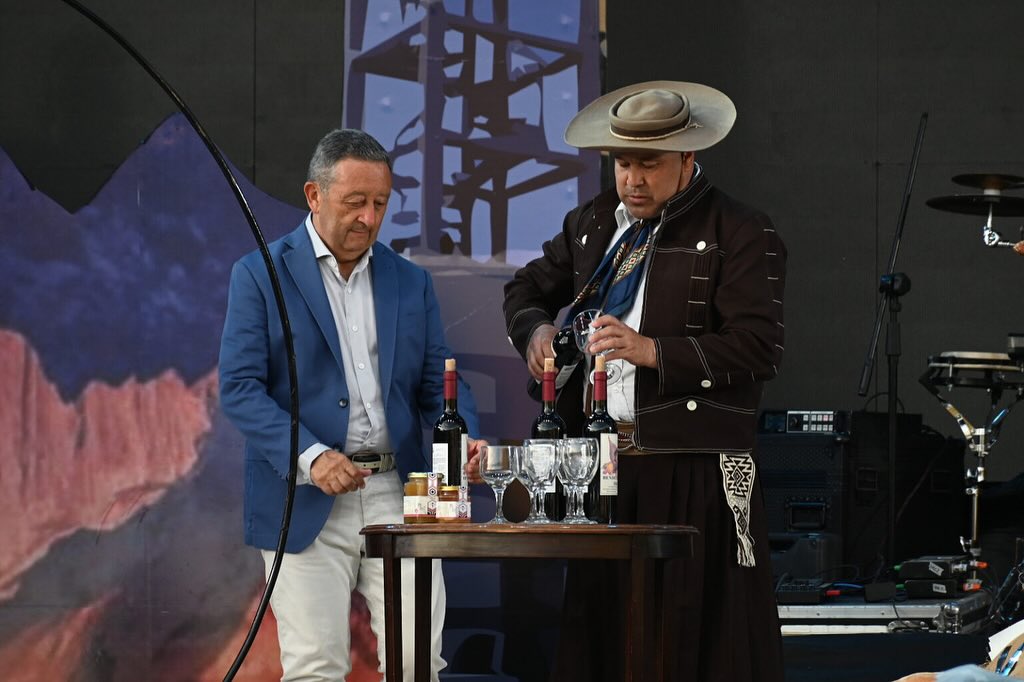
The Grape Harvest Festival, a conjunction of music and dance, which every year recreates a renewed story about the harvest, our land and our people, is a unique spectacle in the world. Both tourists and locals are dazzled every year by the magnificence of the stage, the light boxes, the dances, the costumes, the music, the fireworks and the election of the queen.
In the harvest of Mendoza, an intense calendar of activities takes place.
Among the most outstanding celebrations are:
Blessing of the Fruits:
This traditional ceremony gives thanks for the year’s harvest and has strong symbolic and religious significance.
The White Way of the Queens (Vía Blanca de las Reinas):
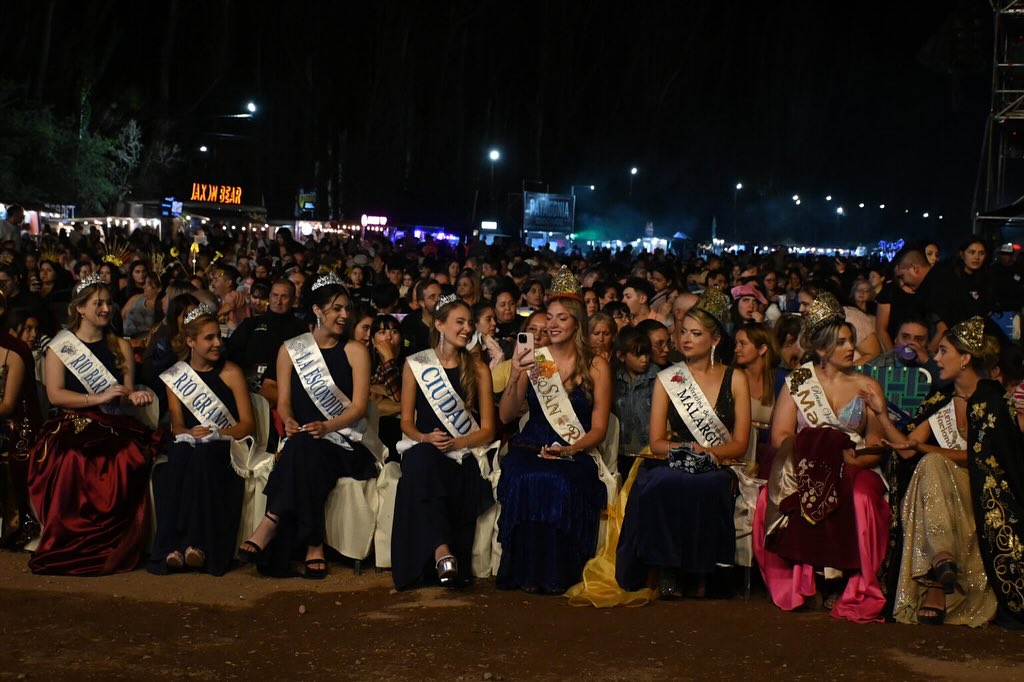
A nighttime parade featuring department representatives, known as the "Harvest Queens," who ride on elaborately decorated floats. It takes place on the main streets of Mendoza City.
The Harvest Carousel (Carrusel de la Vendimia):
A vibrant daytime parade with folkloric groups, gaucho delegations, traditional dances, and floats, celebrating the region’s heritage.
The Central Act:
The festival’s highlight, held at the Frank Romero Day Greek Theater, an open-air amphitheater in Mendoza. This grand event combines music, dance, storytelling, and stunning visual effects, narrating stories tied to winemaking, the harvest, and Mendoza’s cultural identity. The evening concludes with the election of the National Harvest Queen.
Cultural and Tourism Activities:
Throughout the festival, visitors can enjoy wine tastings, fairs, art exhibitions, and tours of local wineries.

Cultural and Economic Significance
The National Grape Harvest Festival is much more than a celebration; it’s a reflection of the profound connection between Mendoza’s people and the winemaking tradition, which is a cornerstone of the region’s economy. The event also serves as a major draw for tourists, offering them a chance to immerse themselves in the warmth, gastronomy, and renowned wines of Mendoza.
More: https://youtu.be/D66LI81y10g?si=qhzMcjTm2eygzR0f
Source:National Grape Harvest Festival – Government of Mendoza