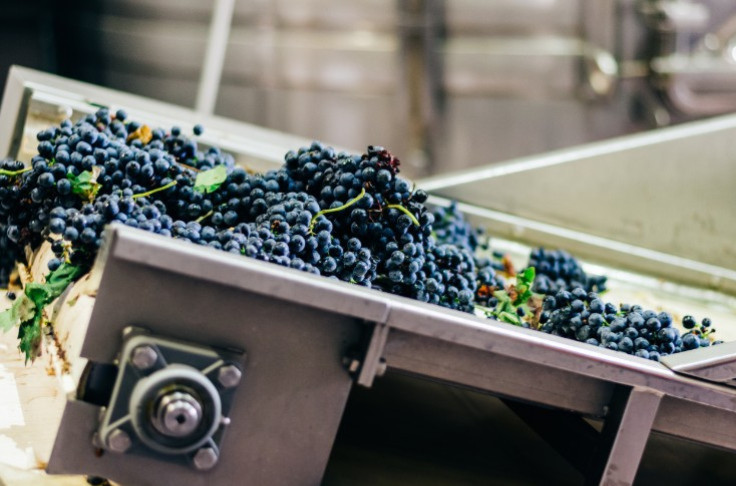
o produce white wines in the future, Thomas Gautier, a consultant with France’s co-operative wine institute ICV suggests that his customers take a closer look at Souvignier gris, Verdejo and Grenache blanc or at least grape varieties that are resistant or show a high level of tolerance to pressure from fungal diseases, resistance to climate change and display aromatics driven by fresh fruit or flowers. For those who would like to produce more white wines but have yet to plant enough white cultivars, his colleague and fellow winemaker Irène Grellois offers advice on making white wines from black grapes. “For a successful outcome, the basic requirements are to ensure quality pressing, successfully eliminate all the anthocyanins from the red juice, limit tannin extraction and recreate an aromatic profile suggestive of white wine”, she explains.
Fining the wines with carbon – a maximum amount of 100g/hl is authorised for non-PGI wines – must be carried out on the must “when most of the aromas are in the bound aroma precursor stage”, avoiding oxygen ingress. The carbon must be incorporated regularly into the crop and mixed. It must be totally eliminated using filtration or centrifugation before fermentation starts so as not to instil any sour or heightened amylic aromas in the wine. “It’s best to check the amount of available nitrogen again and re-inject sterols and vitamins to avoid blocked fermentation and deviations”, recommends Grellois.
To bring back aroma and complexity to white wines made from black grapes, winegrowers can use settling on the lees. “There are also ways of heightening the existing range of aromas. In the experimental winery, we successfully promoted thiols in a Grenache noir by intervening with nutrition and the choice of yeast”.